A warm place in a vast sky
The Starkind
Where the universe feels like home.
Beginner-friendly astronomy for anyone who's ever looked up and wondered. No jargon. No assumed knowledge. Just the sky, explained warmly, with stories, tools, and a seat saved for your family.
Begin exploringOur first gathering. Fifteen friends, one candle each, and a blue moon. A short recap from our family.
What you'll find here
Four ways in
Pick your doorway. All four are free, welcoming, and written for people who are new to the sky.
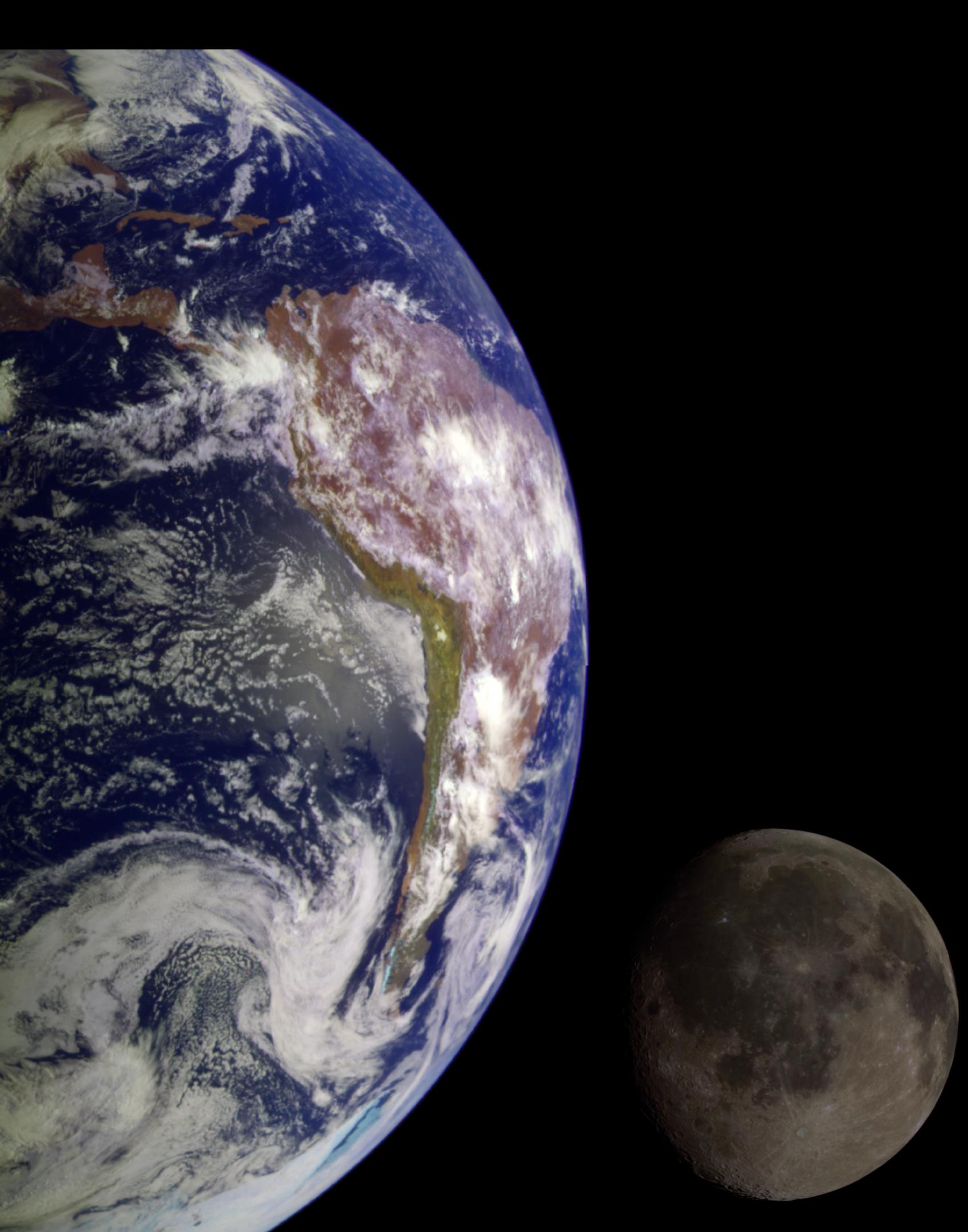
Image: NASA/JPL
Pillar one
Tools
Tonight's sky from where you stand, live moon phase, an interactive constellation finder. Real data, no signup.
Open the tools →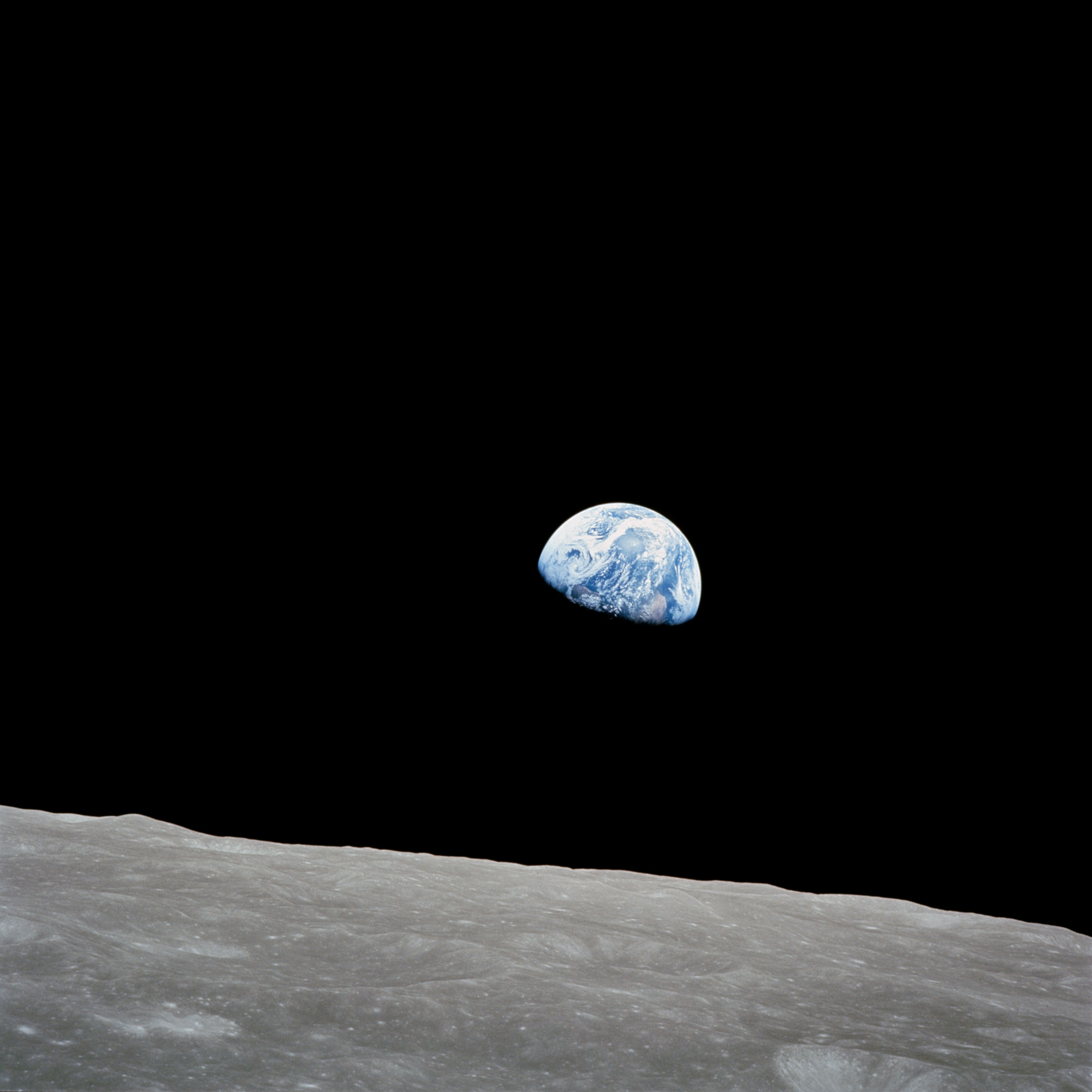
Image: NASA / Apollo 8 / William Anders
Pillar two
Families
Stargazing with kids, answering the hard space questions, and family-friendly ways to share the night sky.
Look up together →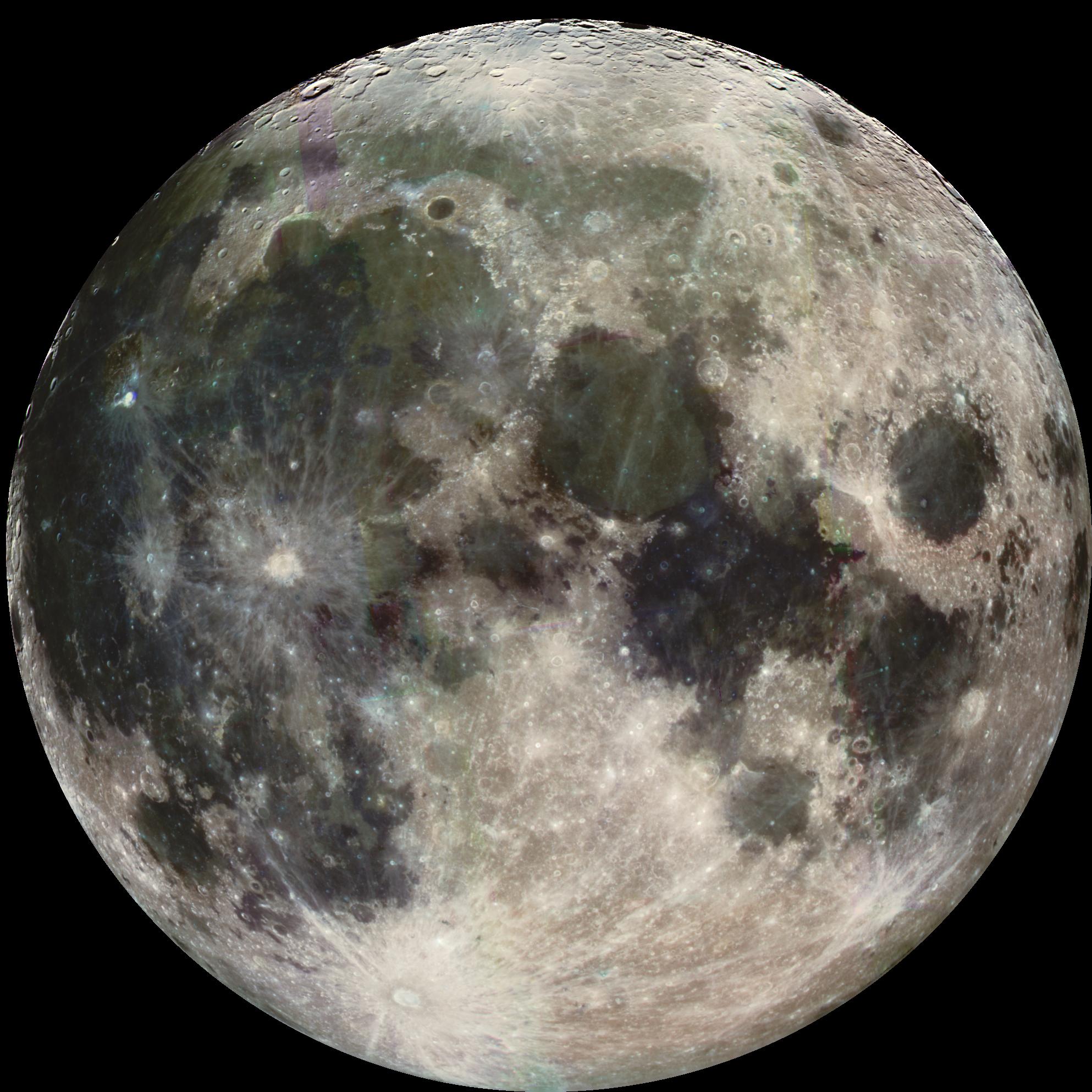
Image: NASA/JPL
Pillar three
Learn
Planets, constellations, your first telescope, how to read the sky by season. Plain language, from zero.
Start learning →
Image: NASA/JPL-Caltech/STScI
Pillar four
Stories
The constellation myths and astronomical heritage humanity has told under the same sky, across cultures.
Read the stories →Live sky tools
Real data. No signup.
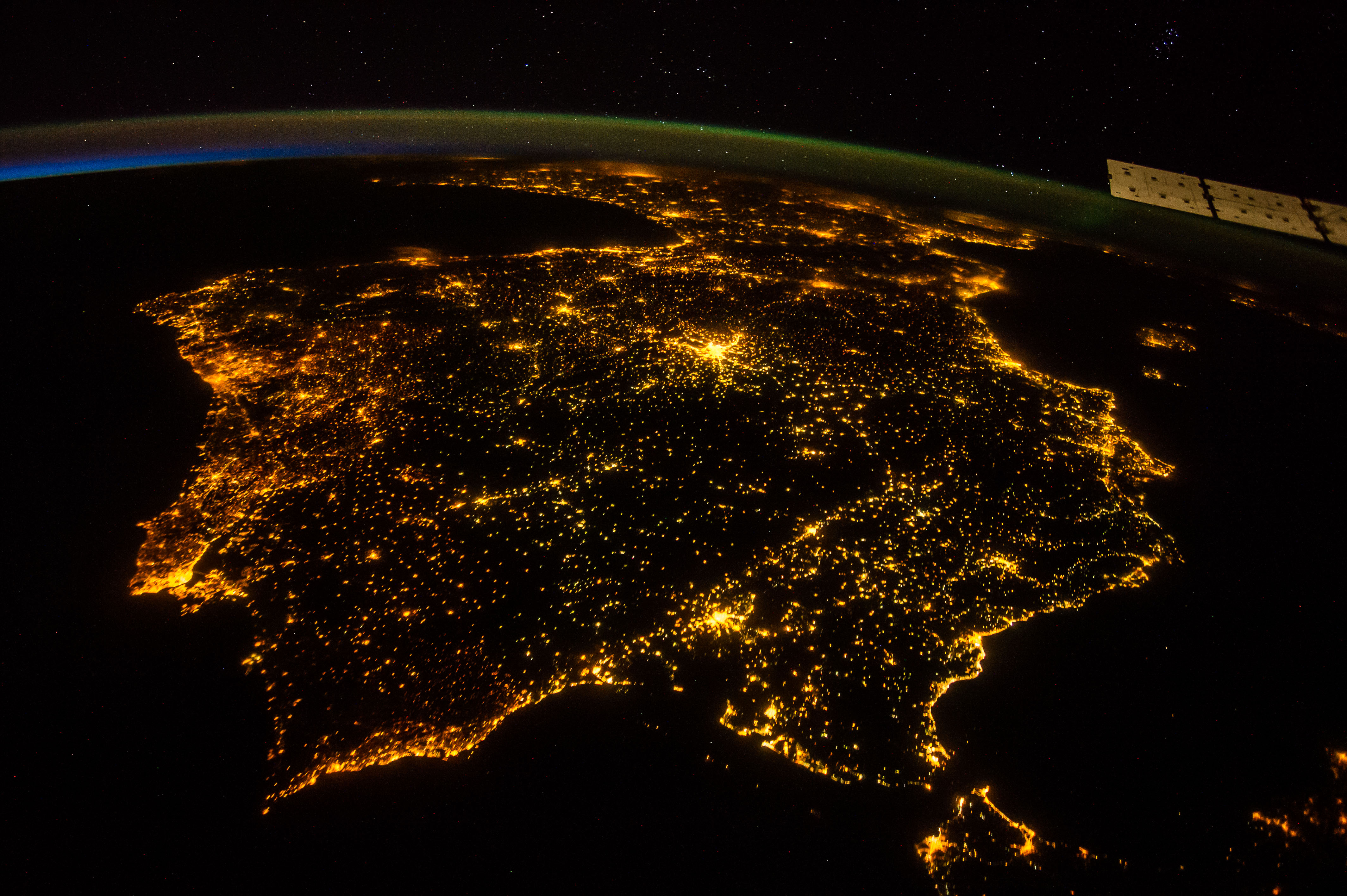
Image: NASA / ISS Expedition 40
Tonight's sky
What's up, from where you are, right now.
Open →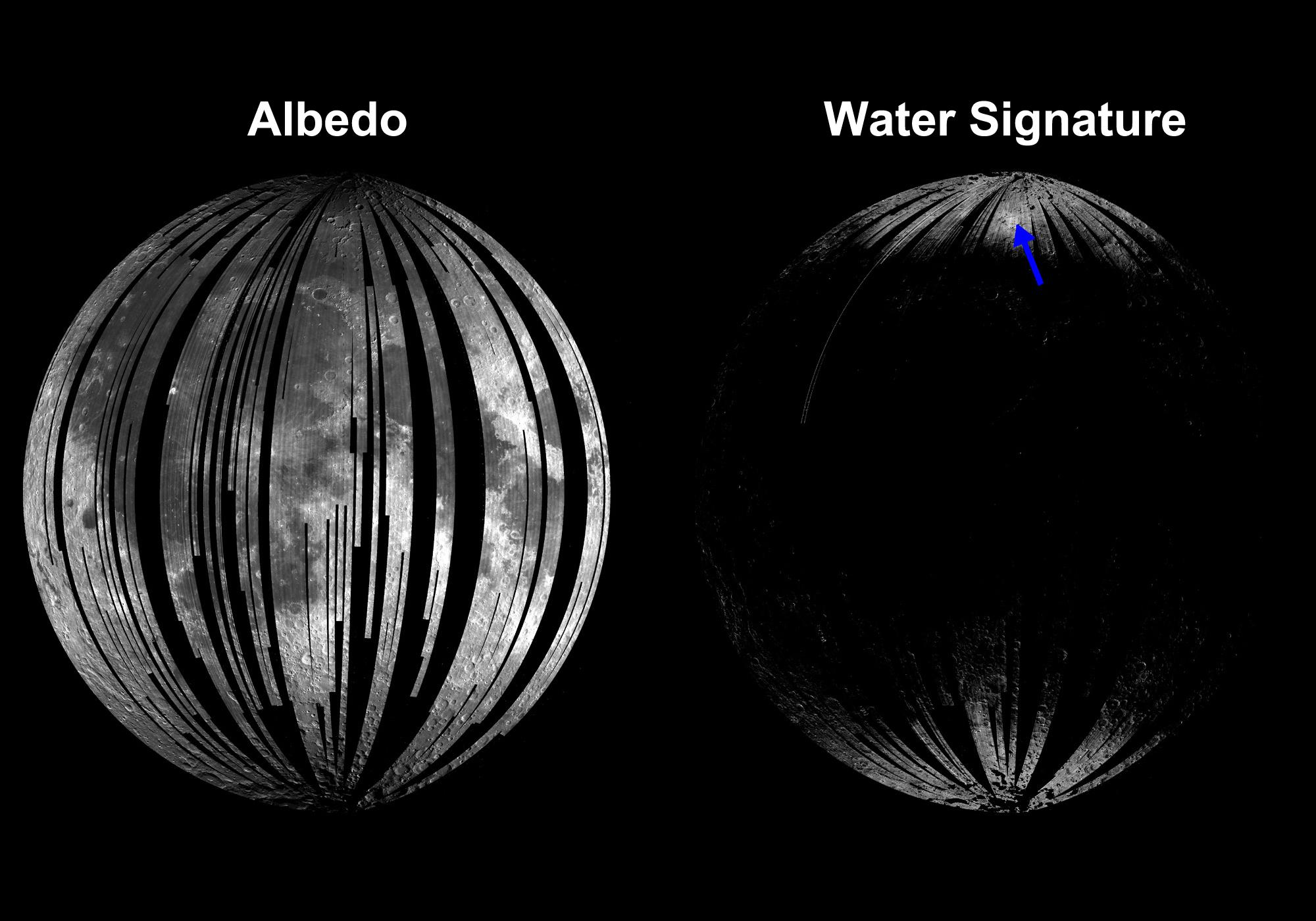
Image: NASA/GSFC/Arizona State University
Moon phase
Live phase, illumination, and what it means tonight.
Open →
Image: NASA/JPL-Caltech
Constellation finder
Hover to see the hero the ancients drew between the stars.
Open →For families
Look up together
Our first gathering, under a blue moon
On the night of May 30 2026, fifteen friends sat on a patch of grass in our community park in Dubai for the very first Starkind gathering. A small recap, a few photos, and a thank you.
What's a blue moon? (And there's one this weekend)
The full moon this weekend, May 30 and 31 2026, is a blue moon. It's also the smallest full moon of the year. A short, friendly explainer for families, with a video sent in by Shiva, one of our young viewers.
Start here
Learn the sky
Meteor showers: when to look up, what you're seeing
Shooting stars are not stars, and they're not uncommon. A practical guide to meteor showers. What they actually are, when to watch, and how to see as many as possible.
What is a galaxy, and why the Milky Way is special
Galaxies are where stars live. Our own, the Milky Way, is one of an estimated two trillion. We see it from the inside every clear, dark night.
How to read the night sky by season
The stars overhead change with the time of year. Here's why, and a simple, memorable set of landmarks for spring, summer, autumn, and winter nights.
Stories in the sky
Heritage of the stars
Aryabhata and the astronomical heritage of ancient India
Fifteen centuries ago, an Indian mathematician calculated that Earth rotated on its axis, estimated pi to four decimal places, and derived the length of the year to startling accuracy. Here's the scientific heritage too often overlooked.
How Polynesian navigators sailed by the stars
Long before Europeans crossed open oceans, Polynesian wayfinders voyaged thousands of kilometres across the Pacific using only the stars, swells, and their own memory. Here's how it worked, and why it still does.
"We are made of star-stuff. We are a way for the cosmos to know itself."
— Carl Sagan